Need a Reliable & Professional
HVAC Service - 24/7 Emergency
Article
Key Checks Before Calling AC Repair Services
Learn what to check before calling for AC repair services to potentially save time and cost on your AC issues.
Imagine it's early November in Lodi, New Jersey. The fall chill is creeping in, and you've just switched your HVAC system from cooling to heating. Suddenly, the air conditioner seems to be acting up. Before you grab the phone to call in the pros, there are a few things you might want to check yourself. Doing a little troubleshooting on your end can save you both time and money.
In our line of work at 551 HVAC, we often receive calls from folks around Bergen County, wondering if their AC is truly in need of repair. With Lodi's tight-knit neighborhoods and the convenience of busy roads like Route 17 and Interstate 80 close by, quick local service is always an option. But before you decide to get someone out, consider these initial checks to potentially solve the issue or, at the very least, to provide us with more information when you do call.

Common AC Issues in Cooler Weather
One often overlooked step is checking the outdoor temperature. If it's below 60 degrees Fahrenheit outside, your AC unit might struggle to operate efficiently. This is especially relevant in Lodi as the temperature drops in the fall. Many units are designed to run optimally within a certain temperature range, and trying to force it to cool in cooler weather can lead to unnecessary wear and tear. If you're testing your AC on a particularly chilly day, this could be why it seems off.
The condition of your AC's drainage system is another factor to keep an eye on. In older homes around Lodi, especially those with basements, drainage issues can be a real nuisance. Check the condensate drain line for clogs or blockages. If water isn't draining properly, it could back up and mess with your unit's performance. Plus, mold and mildew might develop if the drainage system isn't working right, which can hurt indoor air quality.
Need a hand with this?551 HVAC can help, just call.
Assessing Ducts and Unit Age
Your air conditioner's performance can also be impacted by the condition of the ducts. In Lodi, homes and businesses that have been around for decades might have ductwork that has seen better days. If you notice reduced airflow or inconsistent cooling in different rooms, it could be a sign of leaky or damaged ducts. Inspect exposed ductwork for visible leaks or kinks. While some minor issues can be patched up with duct tape, extensive damage might require a more thorough inspection by a professional.
Finally, consider the age and maintenance history of your AC unit. If your system is over 10 years old and hasn't been regularly maintained, it could be on its last legs. In this case, ongoing issues could be symptomatic of larger problems. Regular maintenance can help, but if breakdowns are frequent, it might be time to weigh the costs of repair against the benefits of replacement. For any lingering questions or if you're uncertain about what you're finding, give us a call at (551) 365-3500, and we'll be happy to assist.

Quick Checks Before Calling for AC Help
Checking the outdoor temperature might seem unnecessary, but it can provide insights into your AC's performance. Air conditioners are designed to function efficiently within certain temperature ranges. If it's an unusually cool day in Lodi, your AC might not perform as expected because it's not designed to run optimally under cooler conditions. This doesn't necessarily indicate a problem with the unit itself. However, if you notice inconsistencies in performance during more typical weather, that may be a sign of an underlying issue requiring professional attention.
It's worth taking a good look at the drainage system as well. Over time, an AC unit's drainage line can get clogged with algae or debris, particularly in humid settings. This might cause water to back up into the system, leading it to shut down as a safety measure. Check the line for any visible blockages and clear them if you can. If you don't feel comfortable doing this or the problem continues, it's time to call in the experts. A quick check of the drainage can help prevent water damage to your home and more serious mechanical issues.
Identifying Unusual Sounds and Smells
Listen to how your AC sounds when it operates. A well-functioning unit should be relatively quiet, with only the gentle hum of the fan or compressor audible. If you hear grinding, squealing, or any other unusual noises, it may indicate a mechanical problem. These sounds can be caused by loose parts, failing motors, or issues with the fan belt. While it's tempting to ignore these noises, they shouldn't be overlooked, as they can lead to more significant damage or even complete system failure if not addressed.
Be on the lookout for unusual odors coming from your AC vents, as these can signal internal issues. A musty smell might suggest mold or mildew growth inside the system, often due to moisture buildup. If you catch a burning smell, it could mean overheating components or electrical issues. These problems can affect your system's performance and indoor air quality, so it's wise to tackle them quickly. A professional inspection can safeguard your health and prevent further damage to your AC unit.

Evaluating Age and Weather Impact
Consider the age of your AC system. If it's more than 10-15 years old, efficiency can decrease over time, and parts may start to wear out. Older units are also less energy-efficient compared to newer models, which can mean higher utility bills. While regular maintenance can extend the life of your AC, there comes a point where replacement becomes more cost-effective than repair. If your unit frequently requires repairs or struggles to keep your home comfortable, it might be worth discussing replacement options with us.
Lastly, take note of any recent weather patterns in Lodi. Heavy rains, which can lead to flooding in some areas, might affect your AC system's external unit. Water damage or exposure to the elements can cause corrosion or other issues with the unit's components. If there have been recent storms or significant rainfall, inspect your unit for signs of damage. If you're unsure about what you're seeing or the unit doesn't seem right, calling in a professional can prevent further issues and keep your system running smoothly.
Thermostat and Power Issues
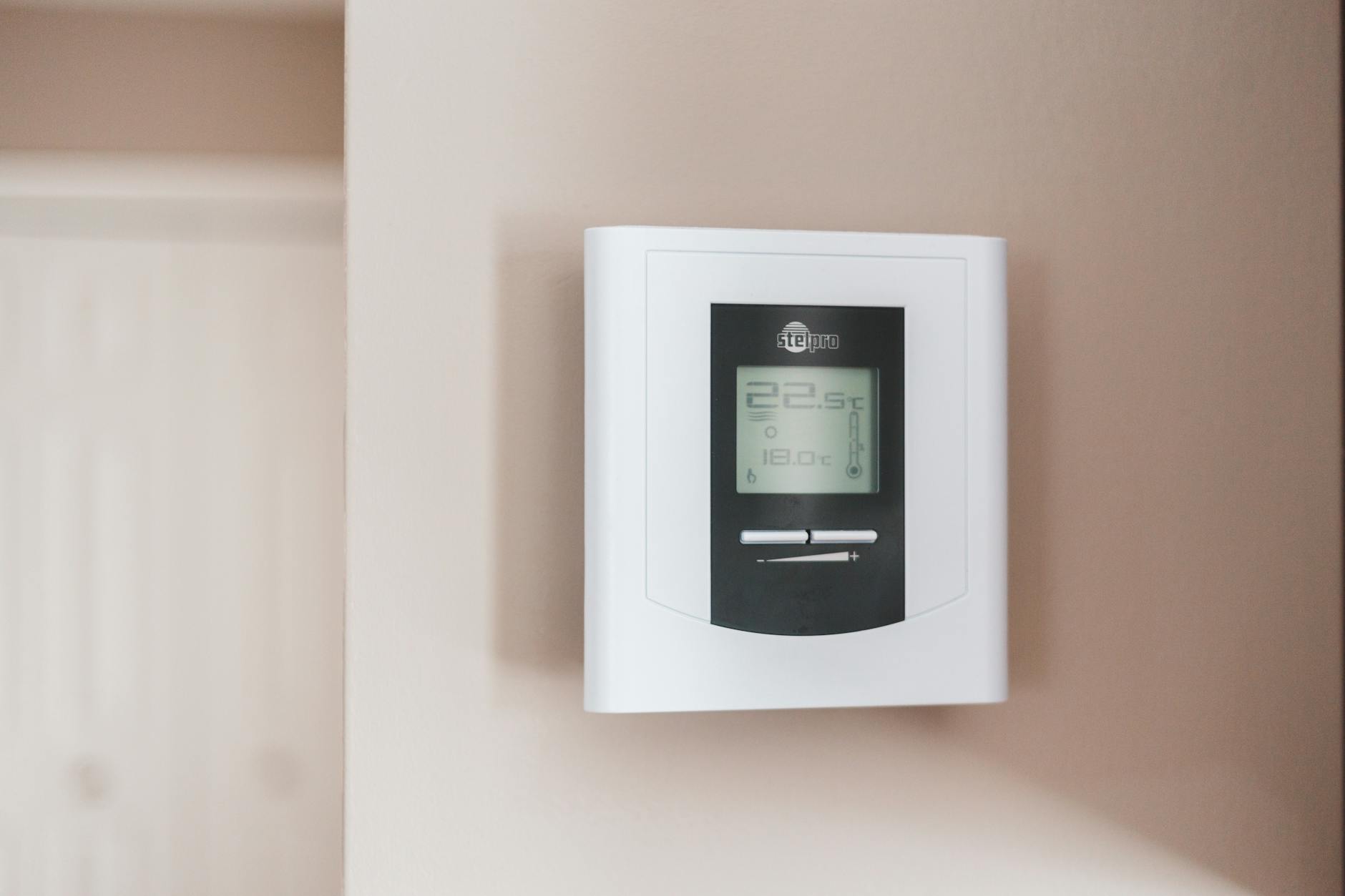
Start with the thermostat. It controls your entire system, and a lot can go wrong here. Make sure it's switched to 'cool' and that the temperature is set lower than your current room temperature. If your thermostat operates on batteries, replace them. Sometimes, the issue is as simple as dead batteries.
Check the placement of your thermostat as well. If it's located near a heat source like a window that catches the afternoon sun or even a lamp, it might get tricked into thinking the room is warmer than it actually is. This can cause your AC to cycle improperly, leaving parts of your home feeling hotter than they should be. If you suspect this is happening, consider repositioning the thermostat or shading it to get a more accurate reading.
Your unit's power supply might also be the issue. Check if there's power at the unit itself and at the circuit breaker. The breaker can trip if there's a brief power surge, so make sure it hasn't flipped. If it has, you can switch it back to the 'on' position. However, if it keeps tripping, there might be a deeper electrical issue that calls for a professional's help.
Don't forget to inspect the wiring connections at the unit. Over time, especially in older Lodi homes, wires can become loose or corroded. This can lead to power supply issues that aren't immediately obvious. Look for any visible signs of damage or wear. If you find something concerning, it's best to let an electrician or an HVAC professional handle it to prevent further issues.
In some cases, especially with older homes in Lodi, the wiring can be outdated or faulty. Issues like this are better left to the pros, as they can be hazardous. So if you suspect a wiring issue, it's best to call in an expert from 551 HVAC to evaluate the situation safely.
While you're at the breaker panel, take a moment to label the switches if they aren't already. This can save you time and confusion down the road, especially during a power outage or when tackling minor electrical issues. Knowing exactly which switch controls your AC can make troubleshooting faster and more efficient.
Airflow and Filters
Airflow problems can often be traced back to something as simple as a clogged air filter. These filters should ideally be replaced every three months, though more frequent changes may be necessary if you have pets or allergies. Restricted airflow can cause your AC to work harder, leading to higher energy bills and potential system breakdowns.
Check the vents around your home too. Make sure they're not blocked by furniture or curtains. Sometimes, homeowners forget about these vents, not realizing that blocked airflow can mimic a system failure. If you've checked these and still have issues, it might be time to consider air duct inspection to rule out any deeper blockages or leaks.
Temperature fluctuations in Lodi can be quite pronounced, especially with our chilly fall nights and warmer days. A clogged air filter can exacerbate these temperature swings by restricting the flow of conditioned air throughout your home. If you notice that some rooms are noticeably warmer or cooler than others, it might be worth checking the filters and vent placements in those specific areas.
While you're checking, pay attention to the type of filter you're using. High-efficiency filters are great for air quality since they trap smaller particles, but they can clog faster. If you're changing filters more often than you'd like, consider switching to one with a lower MERV rating that still meets your needs. This can be a balancing act, particularly in older homes around places like South Hackensack, where the ductwork might not be as modern.
If you're still facing airflow issues after checking filters and vents, the ductwork might be the next logical step. Homes in Lodi, particularly those that have been around since the borough's early days, might have older duct systems that are prone to leaks or blockages. A thorough air duct inspection can help identify these problems and make sure that your HVAC system is operating efficiently.
If you've done all the above and are still having trouble, it could be a more serious mechanical issue. Your AC's blower motor might not be running at full capacity, which can significantly affect airflow. These components wear out over time, especially if your system has been working hard during hot summer months. You might need professional expertise to address these issues, so consider reaching out to us at 551 HVAC for a closer look.
External Unit and Surroundings
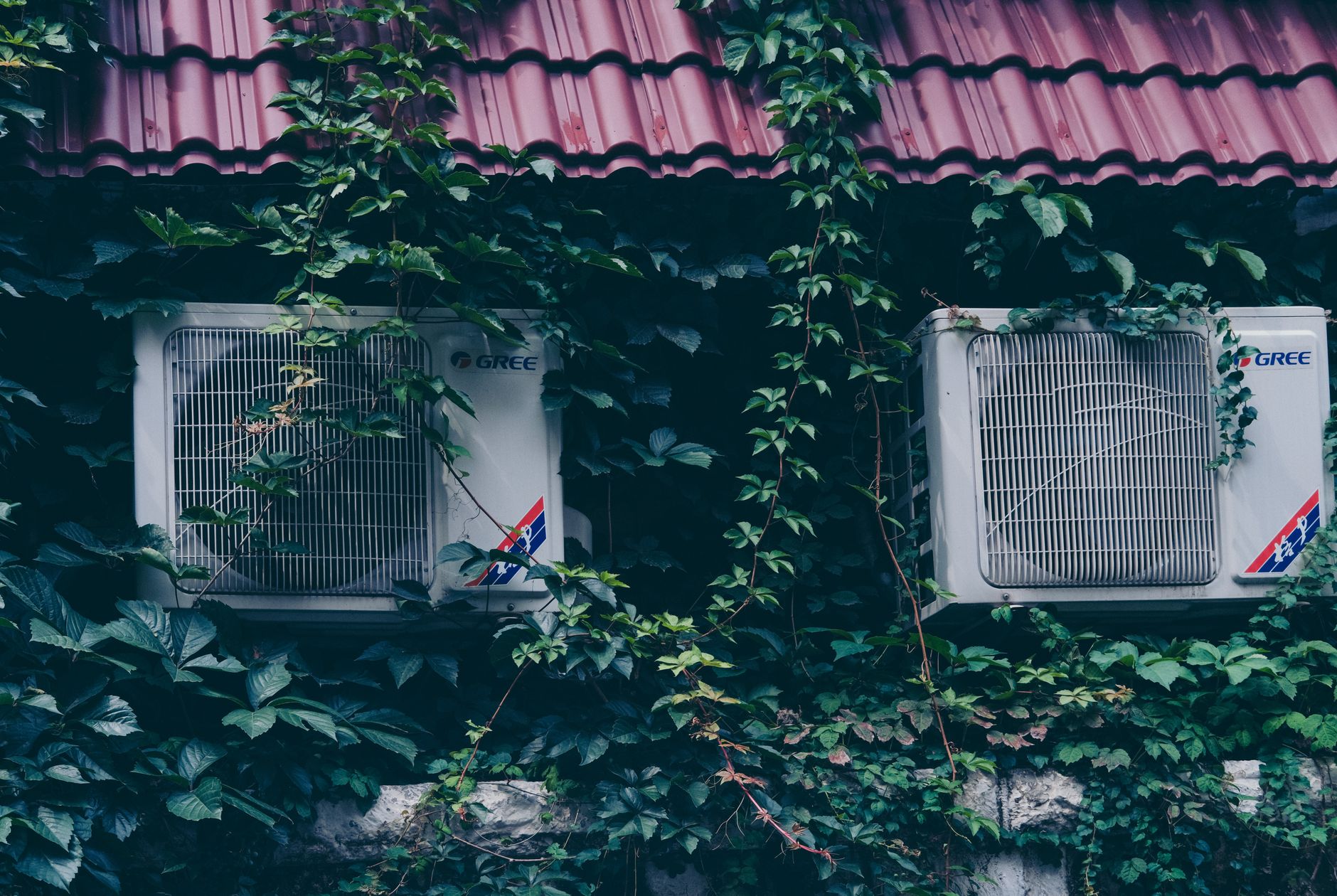
Start by inspecting the area around your external unit. Clear away any debris like leaves, grass clippings, or overgrown plants. You'd be surprised how often a stray leaf can mess with airflow. This is especially true in Lodi, where our fall foliage can quickly become a hassle. Keeping this space clear helps your system pull in air efficiently, which is crucial for it to function properly.
Next, take a closer look at the condenser coils and fins on your outdoor unit. These crucial parts can easily get clogged with dirt and dust, cutting down the system's efficiency. Use a garden hose to gently rinse them off, and be sure to direct the water flow at a slight angle to avoid bending the delicate fins. This simple cleaning can really boost your unit’s performance.
If your AC still struggles to keep your home cool, it might be time to check the more technical parts. Sometimes, mechanical components like the compressor are the root of the problem. Unusual sounds like banging or hissing could mean a failing compressor or a refrigerant leak. In these cases, it's best to call a technician from 551 HVAC to diagnose and fix the issue.
Think about the overall state of your unit's surroundings too. Some areas of Lodi are prone to flooding during heavy rains, which can damage outdoor components. After a storm, check if there's any standing water around your unit, as this can lead to corrosion or electrical issues. Raising the unit on a platform or ensuring proper drainage is in place can help prevent these problems in the future.
Also, keep in mind how local weather patterns can affect your AC's performance. Lodi's high humidity levels in the summer can strain your system as it works harder to remove moisture from the air. If you notice your AC running longer than usual without cooling effectively, it might be struggling with the humidity. A dehumidifier could help balance the indoor climate.
Pay attention to any unusual smells coming from the unit. A musty odor could indicate mold growth, which sometimes happens when moisture builds up inside. This not only affects air quality but can also point to drainage issues. Checking the condensate drain for clogs can prevent water buildup and help avoid mold problems. If the smell sticks around, it's smart to contact a professional to inspect it thoroughly.

How We Approach AC Issues
At 551 HVAC, when you call us, the first thing we ask is what you've checked so far. It gives us a baseline to start from and can speed up the diagnosis process. We appreciate any information you can provide, as it helps us help you more efficiently.
After getting a grasp on your situation, we'll schedule a visit, considering how urgent your issue is. Our vans are always stocked with common parts, so we can handle most repairs on the spot. Whether it's a quick AC tune-up or something more complex, we're ready to get your system up and running as swiftly as possible.
Repair Options and Alternatives
We always aim to provide solutions that are both effective and economical for our customers. Sometimes a repair might not be the best option, and we can discuss alternatives like AC replacement or installation if needed. If you're experiencing trouble with your system, feel free to call us at (551) 365-3500, and we'll assist you promptly.
Comprehensive System Inspection
Once we arrive at your home or business, our first step is a thorough inspection of the system. We check critical components like the compressor, fan motor, and refrigerant levels. These elements need to be in good working order for your AC to function efficiently. This step is crucial, especially in places like Lodi, where older homes might have antiquated systems.
We also evaluate the air duct system to make sure it’s delivering cooled air to all necessary areas. Blocked or damaged ducts can significantly affect performance, and in some cases, it’s not the AC unit but the ductwork that needs attention. If we find issues, we can conduct an air duct inspection to pinpoint and address the problem.
Finally, we factor in local weather conditions and typical usage patterns in our evaluation. The humid summers in Bergen County, combined with a dense population, can strain systems. By understanding how these factors affect your HVAC needs, we can offer advice on system upgrades or maintenance schedules to prevent future breakdowns. If you have questions or need our services, just give us a call.
Frequently asked questions
Why isn't my AC blowing cold air?
If your AC isn't blowing cold air, check the thermostat settings first. Make sure it's set to 'cool' and that the temperature is lower than the room temperature. Also, inspect the air filter for clogs, as this can restrict airflow and affect cooling.
What could cause my AC to stop working suddenly?
A sudden stop can often be linked to a tripped circuit breaker or a blown fuse. Check your home's breaker box to see if the AC switch has flipped. If it has, reset it and try the AC again. If this keeps happening, it could mean there's a deeper electrical problem.
How often should I replace my AC filter?
Generally, you should replace your AC filter every three months. If you have pets or suffer from allergies, consider changing it more frequently to keep airflow and air quality in good shape.
Heating and Air Conditioning Services
QUICK LINKS
CONTACT DETAILS
- Tel: (551) 365-3500
- 115 DELL GLEN AVE,
1st Floor LODI NJ 07644 - Open 24 Hours - 7 Days a Week
- Contact Us
- Get Direction
Call Now
(551) 365-3500
(551) 365-3500